


Sydney NDISDA Specialist Disability Accommodation Future Ready Summit
26th August 2026
Market, Legal, Occupancy & Development Insights
This event has now concluded.
Thank you to all who Sponsored, Presented and attended this event
Sydney SILSDA Sydney Maximising SIL Impact
26th August 2026
Connecting Housing, SIL and the NDIS Sector

The Specialist Disability Accommodation (SDA) market is changing. Participant expectations are rising, competition is increasing, regulatory requirements are evolving, and providers, developers and investors are under greater pressure to deliver housing that is both participant-led and commercially sustainable.
The SDA Sydney Session brings together industry specialists for a practical morning focused on the issues shaping SDA in 2026 — from market demand and participant choice to vacancy management, legal and regulatory risk, alternative occupancy pathways, and fire-safety considerations in SDA developments.
Delegates will hear current market intelligence and practical perspectives designed to help them better understand where the SDA sector is heading and how to respond.
What will be covered?
The morning program explores:
-
The future of the SDA market — participant choice, changing demand, location, the flight to quality and sustainable housing outcomes.
-
Navigating STR, MTA and SDA — including changing housing pathways, eligibility and evidence requirements, participant matching and Hospital to Home transitions.
-
The new legal landscape for SDA — governance, tenancy arrangements, participant choice, separation of housing and supports, contractual risk and regulatory reform.
-
Occupancy resilience and vacancy mitigation — exploring new markets, partnerships and demand pathways for underutilised SDA.
-
Fire sprinklers in SDA developments — practical considerations for builders and developers to address before final SDA assessment and handover.
-
Commercial sustainability — understanding vacancies, arrears, operating costs and the realities of running a sustainable SDA portfolio.
Speakers include Michael Fuller, Fuller Insights; David Moody, Management Governance Australia; Mark Hunn, NDIStress; and Jeremy Soden, Forward Access.
Who should attend?
This session is designed for people involved in the development, delivery, operation, investment and referral pathways of Specialist Disability Accommodation, including:
-
SDA providers and registered housing providers
-
SDA developers, builders and property professionals
-
SDA investors and asset owners
-
Support Coordinators and Specialist Support Coordinators
-
SIL and disability support providers
-
NDIS consultants and sector advisers
-
SDA assessors, certifiers and building professionals
-
Architects, designers and accessibility professionals
-
Community housing organisations
-
Allied health professionals involved in housing transitions
-
Organisations considering entering or expanding within the SDA market
Whether you are managing existing SDA, planning a new development, trying to improve occupancy, supporting participants to find appropriate housing or assessing investment opportunities, the session provides practical insights into the changing NSW SDA environment.
Extend Your Day – Attend SILSDA Sydney
SDA delegates can also attend the SILSDA Sydney afternoon session from 1.00pm – 5.00pm.
The afternoon program expands the conversation beyond SDA and includes Hospital to Home topics, bringing together housing, support and transition perspectives.
Attending both sessions provides an opportunity to explore the broader participant journey — from hospital and transitional accommodation through to appropriate long-term housing and supports.
Choose the SDA morning session or attend the full day to connect the housing, support and Hospital to Home conversations shaping the sector in 2026.
Keynote Speakers

Management Governance Austalia
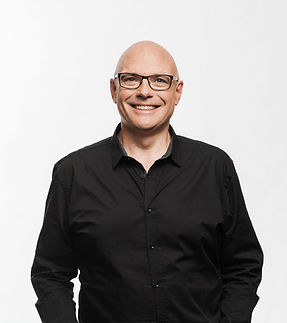
Fuller Insights
SDA data

Forward Access

NDISstress

UC Compliance

Lynn Gabriel
NDISDA National Director

Insurance Advisernet
Agenda
8.10am - 8.25am
Arrival and Registration for SDA Session or the full day
8.30am - 8.45am
Welcome and Introductions
8.45am - 9.00am
SDA, Building Classification & Fire Sprinklers: What NSW Developers need to know in 2026
Jeremy Soden
Forward Access
With recent changes to NSW group-home planning provisions, new fire-safety maintenance requirements and NCC 2025 on the horizon, understanding how an SDA development is classified—and the fire-safety obligations that follow -is increasingly important.
In this session, Jeremy, an SDA Assessor will highlight the key issues builders and developers should consider early, including building classification, when sprinkler requirements may be triggered, common design and construction coordination problems, and the respective roles of the SDA Assessor, certifier and fire professionals.
The session will focus on avoiding a simple but costly mistake: designing the SDA first and resolving building classification and fire-safety requirements later.
9.00am - 9.30am
The New Legal Landscape for Specialist Disability Accommodation
David Moody
Management Governance Australia
Governance • Participant Choice • Commercial Risk • Regulatory Reform
As Specialist Disability Accommodation enters a more mature phase, the legal and regulatory environment is becoming increasingly complex.
This session explores the legal issues every SDA provider, developer and investor should understand in 2026.
From tenancy arrangements, participant choice and the separation of housing and support, through to governance, referral arrangements, contractual risk and future regulatory reform, delegates will gain practical legal insight into protecting their organisation while building sustainable housing solutions.
9.30am - 9.40am
Q & A
Q &A
9.45am - 10.00am
Morning Tea
Break
10.00am - 10.20am
Insurance under pressure: Managing Risk, Claims and Liability in SDA
Jeremy Thornton
Insurance Advisernet
Insurance costs, coverage requirements and policy conditions continue to evolve as risks across the SDA sector become more complex.
This session explores the key insurance exposures facing SDA providers, developers and property owners, including property damage, public liability, professional indemnity, cyber, workers’ compensation and management liability.
Delegates will gain practical insights into identifying and reducing risk, navigating claims and ensuring their insurance arrangements adequately protect their properties, participants and operations while supporting business continuity and compliance.
10.20am - 10.50am
The Future of SDA: Market Intelligence, Participant Choice and Building Sustainable Housing outcomes
Michael Fuller
Fuller Insights
As the Specialist Disability Accommodation market continues to mature, success is no longer determined simply by building compliant housing.
Increasing participant choice, shifting demand patterns, operating costs and heightened competition are reshaping the market, requiring providers, developers and investors to rethink how they attract participants, manage vacancies and deliver long-term sustainable outcomes.
Drawing on current market data and industry trends, this session examines where the SDA market is heading and what separates high-performing providers from those struggling with prolonged vacancies and declining returns.
The presentation explores the growing flight to quality, where participants are increasingly choosing homes that offer superior design, lifestyle, accessibility and location rather than simply meeting minimum SDA requirements.
It will examine why location remains one of the strongest predictors of occupancy, how consolidation across the sector is changing the competitive landscape, and why operational excellence has become just as important as the physical asset itself.
Attendees will also gain insight into the practical realities of running a successful SDA portfolio, including effective vacancy management, reducing arrears, controlling the rising cost of doing business, and creating housing that delivers an outstanding participant experience.
Rather than simply providing accommodation, leading providers are increasingly focused on delivering homes that genuinely support independence, wellbeing and long-term tenancy outcomes.
Importantly, the session reinforces the principles of participant choice and control, demonstrating how providers who understand participant expectations and use data to guide decision-making are achieving stronger occupancy, better commercial performance and more sustainable housing outcomes.
Key discussion areas include:
-
Why the market is experiencing a flight to quality and what participants are looking for.
-
The ongoing importance of location in SDA demand and occupancy.
-
Consolidation across the SDA sector and what it means for providers and investors.
-
Operational excellence as a competitive advantage.
-
Strategies for managing vacancies and reducing arrears.
-
Creating an experience that participants choose—not just a bed to occupy.
-
Balancing participant choice and control with commercial sustainability.
-
Understanding the true cost of doing business in today's SDA market and how data can improve decision-making.
10.55am - 11.20am
Occupancy Resilience in SDA: Exploring New Markets, Partnerships and Demand Pathways
Mark Hunn
NDIStress
As NSW's SDA market continues to evolve, investors are increasingly seeking practical strategies to strengthen occupancy outcomes and minimise the financial impact of prolonged vacancies.
A vacant SDA room generates no income while mortgage repayments, insurance, maintenance and operating costs continue to accrue. In response, some investors and providers are exploring compliant occupancy pathways that may allow underutilised rooms to generate a meaningful proportion of their potential revenue while remaining available for future SDA participant demand.
This session examines emerging opportunities to improve occupancy resilience through new markets, strategic partnerships and alternative demand pathways. It will explore how accessible student accommodation, healthcare and allied health placements, transitional housing arrangements, community housing partnerships and other approved occupancy models may assist in reducing vacancy exposure and supporting asset performance.
In many NSW markets, these alternative pathways have the potential to generate between 50% and 80% of the revenue typically associated with a fully occupied SDA room, depending on location, dwelling type and occupancy arrangements.
Attendees will gain practical insights into:
• Exploring new markets and demand pathways beyond traditional SDA referrals.
• Partnership opportunities with universities, healthcare providers, community housing organisations and disability service providers.
• Alternative utilisation models that may support asset performance while maintaining compliance obligations.
• Reducing vacancy exposure while preserving housing availability for future SDA participants.
• Building greater investment resilience in an increasingly competitive SDA market.
This session is not about replacing SDA participants. Rather, it focuses on practical and compliant vacancy mitigation strategies that may help investors protect returns, improve cash flow stability and create more sustainable occupancy outcomes while waiting for participant placements.
11.25am - 11.55am
Navigating STR, MTA and SDA in a Tightening 2026 NDIS Housing Market: What NSW SDA Providers, Developers and Investors need to know
David Moody
Management Governance Australia
As the NSW Specialist Disability Accommodation market matures, simply having an SDA vacancy no longer guarantees occupancy. Participant choice and control, changing NDIA policy settings, stronger evidence requirements and increasing scrutiny around housing pathways are reshaping how participants transition into SDA and how providers manage vacancies.
At the same time, the role of Short-Term Respite (STR) and Medium-Term Accommodation (MTA) is becoming more clearly defined. STR is no longer viewed as temporary accommodation for filling vacant dwellings, while MTA continues to play an important role in supporting participants transitioning from hospital, aged care and other settings into permanent housing—but only where clear eligibility and transition requirements are met.
For SDA providers, developers and investors, understanding how STR, MTA and SDA work together is becoming critical to creating sustainable occupancy, supporting participant choice and maintaining compliance. The session will explore how NSW providers can strengthen referral pathways, improve participant matching, work more effectively with hospitals, Support Coordinators and SIL providers, and develop housing solutions that participants actively choose.
Delegates will also gain insight vacancy challenges, evolving participant expectations, and the practical strategies leading SDA providers are adopting to improve occupancy while protecting long-term investment outcomes.
Key Discussion Areas;
-
Understanding the role of STR, MTA and SDA across the participant housing journey
-
Why STR cannot be used as a vacancy management strategy
-
Using MTA effectively to support Hospital to Home transitions into SDA
-
SDA eligibility, evidence requirements and participant matching
-
Creating housing participants actively choose—not simply occupy
-
Location, design, compatibility and participant choice in reducing vacancies
-
Working collaboratively with hospitals, Support Coordinators and SIL providers
-
Commercial, compliance and operational risks every SDA provider and investor should understand
11.55am - 12.45pm
Lunch and Networking
Program Disclaimer
Please note that the conference program is subject to change without prior notice. While we make every effort to ensure the accuracy of the schedule, session topics, and speaker line-up, NDISDA and SDA Conferences & Events accept no liability for any changes, including cancellations or substitutions of speakers.
In the event a speaker is unable to attend, we will endeavour to provide a suitable replacement or adjust the session accordingly. However, we cannot guarantee the exact content or format will remain as originally advertised. Attendees are encouraged to check the latest program updates prior to the event.
