


PERTH 2026 SILSDA WA
MAXISIMING SIL IMPACT SUMMIT

6th
MAY 2026

Keynote Speakers

Tess Loveless
NDIS Approved Quality Lead Auditor
Tess brings over a decade of hands-on industry experience, supporting individuals with complex needs across a wide range of settings, including disability services, mental health, and aged care.
Her practical background is complemented by extensive auditing expertise, having worked as a Lead Auditor, Technical Reviewer, and Auditor Trainer with leading certification bodies such as DNV, AVA Certification.
She is a recognised Approved NDIS Quality Auditor, since 2020.
Tess is known for her collaborative and transparent approach to auditing.
She is passionate about supporting providers to understand compliance requirements while maintaining a strong focus on participant safety, rights, and quality outcomes.
Her work not only ensures regulatory alignment but also fosters positive, constructive audit experiences that strengthen the sector as a whole.
Today, Tess will be sharing her insights drawn from years of frontline experience, leadership in auditing, and her ongoing commitment to improving quality and safeguarding outcomes within the NDIS.

David Moody
Head of Strategic Relationships/Consultant, Management Governance Australia Group
Disability reform, housing, workforce, and system change.
As a Director of Management Governance Australia and Workforce Plus Inc, David brings more than 30 years of experience working across the private, public, and not-for-profit sectors.
As a former CEO and Victorian State Manager of National Disability Services, and before this as the leader of the central agency team which coordinated the Victorian Government’s contribution to developing the NDIS, David has a detailed understanding of the Scheme and the challenges and issues faced by young people with disability, their families and supporters.
Having started his working life as a lawyer, David has also worked as an executive in the Victorian Public Service, leading teams responsible for national health and safety reform, strategic WHS policy, WHS legislation and regulations and regulatory framework development, departmental budget strategy and corporate planning.

Ray-Charles Meyer
Business Development
Nurse Assist 24/7
Ray-Charles Meyer is a Business Development Manager at Nurse Assist 24/7 and an Advisory Board Member of NDISDA. Based in Perth, he specialises in supporting seamless transitions from Supported Independent Living (SIL) to Specialist Disability Accommodation (SDA).
With a background in business development and technical sales, he delivers strategic growth while designing tailored transition pathways for participants with complex needs.
Ray-Charles works closely with the NDIS, advocacy, community housing groups, and healthcare providers to strengthen service delivery and outcomes.
He is recognised for his forward-thinking approach, industry insight, and commitment to improving quality, access, and participant outcomes across the disability sector.

Tracy Patriarca
Hospital Engagement and Sector Development Lead
NDISDA SDA Housing and Disability
Tracy Patriarca is a senior disability and community services professional with over 25 years’ experience across the NDIS, specialist support coordination, SDA, SIL, and complex service systems.
She is known for her strong advocacy, trauma-informed approach, and person-centred practice, delivering safe, high-quality outcomes for participants and families.
Her expertise includes navigating complex NDIS pathways, housing transitions, hospital discharge, crisis response, and managing high-risk cases involving safeguarding and guardianship.
Tracy works closely with multidisciplinary stakeholders to support coordinated, effective outcomes.
She is the Hospital Engagement and Sector Development Lead at NDISDA, specialising in Hospital-to-Home transitions and pathways into SDA and SIL. Tracy is also recognised for workforce development, sector training, and creating practical tools to improve access to appropriate housing and funding solutions.
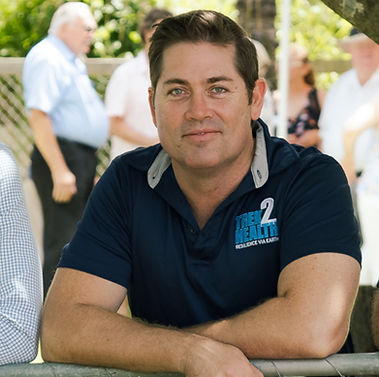
Dave Esler
Strategic Advisor and Market Lead
Disability Housing Solutions
David Esler is the Director of Turnkey Property Group of companies, and lead transformation manager driving strategy and Growth for Disability Housing Solutions.
With a deep commitment to improving housing solutions for people with disabilities, David has played a pivotal role in advancing large state wide projects aimed at impacting SDA homes across regional Queensland, creating significant social and economic impact in these communities.
In addition to his work in the development sector, David an RSL Sub Branch President and is the Chairman of Trek2Health, a non-profit organisation dedicated to providing mental health services to veterans and emergency service personnel.
His leadership in both the disability construction sector and mental health advocacy reflects his broader mission to enhance the quality of life for vulnerable populations through thoughtful, sustainable, and community-oriented initiatives.
David’s background, combining business acumen with a passion for social causes,positions him as a key figure in driving change within both the disability and mental health sectors in Australia.
His expertise in building community-focused housing solutions aligns with his advocacy for mental well-being and regional economic development.
About the Summit


About the Summit
The SILSDA 2026 Summit is Australia’s premier event for Supported Independent Living and Specialist Disability Accommodation providers, bringing together sector leaders, practitioners, and regulators to navigate the challenges and opportunities of a rapidly evolving NDIS landscape.
This national series, held in Perth, Sydney, Melbourne, Brisbane, and Adelaide, offers a unique forum to explore regulatory reform, funding trends, workforce readiness, and operational strategies — all with the aim of strengthening participant outcomes and sustaining high-quality services.
The 2026 NDIS reform agenda, led by Mark Butler, marks a fundamental pivot from a demand-driven scheme to a controlled, outcomes-focused system-placing Supported Independent Living (SIL) at the centre of reform.
This conference will also address what this means for SDA, all stakeholders and NDIS Providers and supports - presented by David Moody - Management Governance Australia
Why attend?
In 2026, SIL providers face an unprecedented convergence of regulatory, operational, and financial pressures.
Legislative reforms, including the NDIS Integrity & Safeguarding Bill 2025 and new SIL Practice Standards, are reshaping compliance expectations, participant safeguarding, and workforce requirements.
At the same time, the shift to support needs-based planning, shorter funding cycles, and tighter budgets creates significant operational and strategic challenges.
This Event program was carefully curated in response to the sector’s most pressing challenges.
With regulatory reform, funding volatility, workforce pressures, and operational fragmentation converging, providers need more than general guidance - they need a strategic, practical roadmap.
Our sessions have been designed to:
-
Directly address real-world challenges, from compliance with new legislation to adapting to the evolving planning framework.
-
Translate policy into actionable practice, helping providers align service delivery, workforce capability, and operational planning with regulatory expectations.
-
Provide a holistic perspective, integrating regulatory, operational, financial, and workforce strategies.
-
Foster collaboration and sector connections, recognising the interdependent ecosystem of providers, coordinators, auditors, and regulators.
Who should attend?
-
SIL and SDA providers seeking operational, strategic, and compliance insights.
-
Support coordinators, plan managers, and disability sector consultants.
-
Auditors, quality assurance professionals, and governance specialists.
-
Policy makers, advocacy leaders, and sector influencers focused on the NDIS landscape.
By attending, delegates will leave equipped to navigate complexity with confidence, maintain compliance, strengthen operational resilience, optimise workforce capability, and deliver high-quality, sustainable, participant-focused services — positioning their organisations for success in 2026 and beyond.
Agenda
8.00am - 8.25am
Arrival and Registration
8.30am - 8.40am
Welcome and Introductions
8.45am - 9. 15am
Strengthening Safeguards: Implications of the NDIS Integrity & Safeguarding Bill 2025 and what it means for 2026 practice
David Moody
Management Governance Australia
This session provides an in-depth exploration of the proposed NDIS Amendment (Integrity and Safeguarding) Bill 2025 and its anticipated impact on providers, auditors, consultants, and the broader disability sector.
Delegates will gain a comprehensive understanding of how the Bill aims to enhance the NDIS Commission’s regulatory powers, including:
-
Expanded banning powers for auditors and consultants to protect participants and uphold scheme integrity.
-
Stronger penalty frameworks with increased civil penalties and the introduction of new criminal offences.
-
Anti-promotion measures to prevent predatory marketing practices targeting NDIS participants.
-
Enhanced information-gathering powers to improve investigation capabilities and compliance oversight.
The session will also discuss how these reforms align with recommendations from the NDIS Review and the Disability Royal Commission, and the practical implications for provider operations, risk management, and safeguarding practices.
Attendees will leave with actionable insights to ensure compliance, strengthen participant protection, and navigate the evolving regulatory landscape.
9.15am - 10.15am
The SIL Reset: Commissioning, Cost Control & the Redesign of Supported Living in the new NDIS
David Moody
Management Governance Australia
The 2026 NDIS reform agenda announced by Mark Butler , marks a fundamental shift from a demand-driven scheme to a controlled, outcomes-based model…
With the introduction of standardised functional assessments, tighter eligibility thresholds, and a planned transition toward commissioned SIL services from July 2028, the traditional SIL operating model is being reshaped in real time.
Growth is being deliberately constrained, high-cost supports are under intensified scrutiny, and funding is increasingly tied to demonstrable functional need and measurable outcomes.
These reforms are expected to reduce participant inflows, recalibrate funding intensity, and shift individuals with lower needs into foundational or mainstream supports -placing pressure on occupancy, rostering models, and long-term service viability.
At the same time, SIL providers must navigate increased audit activity, tighter plan management controls, and reduced flexibility in reassessments, all while maintaining quality, workforce stability, and participant outcomes.
This session will take a system-level view of what the “SIL reset” truly means -exploring the transition from block-funded growth to commissioned service delivery, the evolving SIL–SDA interdependency, and the strategic decisions providers must make now to remain viable in a capped, compliance-driven market.
Attendees will gain critical insight into how to reposition their services, manage funding risk, and adapt operating models in a future where SIL is no longer guaranteed—but earned through evidence, performance, and alignment with government priorities.
10.15am - 10.30am
Morning tea
10.30am - 11.00am
Preparing for the NDIS New Planning Framework
David Moody
Management Governance Australia
The NDIS will introduce a more structured, rule-based planning framework that will reshape how supports are assessed, allocated, and reviewed within participant plans nationally.
These changes will have direct flow-on impacts for SDA supports, funding consistency, and provider operations across Western Australia.
This session provides a practical, provider-focused overview of the emerging planning framework and what it means for day-to-day service delivery in SIL and SDA environments
It will unpack how evolving plan structures may influence support allocation, funding predictability, and participant access to accommodation and services.
Delegates will explore:
-
How more structured plan design and funding rules may affect SDA support allocation and continuity of care
-
The implications of changes to reassessment, review, and appeals pathways on budget certainty and occupancy planning
-
How providers may need to adapt engagement processes, scheduling, and operational workflows to align with new planning timeframes
-
Practical opportunities to improve service efficiency while maintaining participant-centred and flexible support delivery
Attendees will leave with a clear understanding of how to prepare for the transition to the new planning framework and practical strategies to align SIL and SDA operations with the anticipated mid-2026 changes, reducing risk while supporting sustainable service delivery.
11.00am - 11.30am
Navigating Tribunal Reviews in 2026: System Design, Planning Frameworks & Provider Strategy (SIL, SDA & Disability Services)
Presentation by David Moody
This session steps back from individual dispute processes to examine the broader redesign of review, planning, and funding governance mechanisms across the NDIS in 2026, including SIL, SDA, and related disability support services.
As the system transitions from traditional external merits review pathways toward more structured internal decision-making and the reconfigured Administrative Review Tribunal framework, providers are increasingly required to operate within a more staged, rules-based funding environment.
Rather than focusing on individual appeal cases, this session explores how system architecture is changing the way disputes, funding certainty, and service continuity are managed at a structural level.
Key Considerations include:
-
The changing role of Tribunal review within a more structured planning and staged funding environment
-
How internal review pathways and decision frameworks are reshaping escalation points and dispute resolution strategy
-
The impact of reform on SIL and SDA service continuity, particularly under staged or reassessed funding models
-
Provider governance challenges in managing contested or transitioning plans across multiple support types
-
Downstream implications for cashflow stability, workforce planning, accommodation viability, and organisational risk
-
Strategic Focus
This session shifts the conversation from individual advocacy and appeals to system-level governance, planning design, and provider strategy under reform conditions.
Attendees will gain practical insights into:
-
How to adapt organisational systems to staged and structured funding models
-
How review and planning frameworks are reshaping operational risk profiles
-
How to position governance, compliance, and service models for long-term sustainability in a tightening regulatory environment
11.30am - 12.00pm
NDIS Enforcement & Compliance: Preparing for Stronger Powers, New Standards & Real-World Risk
Tess Loveless
NDIS Approved Quality Lead Auditor
The NDIS regulatory environment is entering a new phase of intensified enforcement, expanded Commission powers, and evolving Practice Standards-particularly within Supported Independent Living (SIL). With proposed amendments to the NDIS Act 2013 and a heightened focus on violence, abuse, neglect, and exploitation, providers must be prepared for stricter oversight, faster response expectations, and increased accountability.
This session unpacks what we know so far about upcoming SIL Practice Standards, including the likely introduction of strengthened safeguarding requirements and potential new compliance modules. It will also explore emerging enforcement trends, such as banning orders, registration refusals, and the growing risk of deregistration under expanded regulatory powers.
Delegates will gain practical guidance on meeting core obligations, including registration conditions, the Code of Conduct, and audit readiness, alongside insights into how breaches may trigger significant civil or criminal penalties.
The session will highlight the Commission’s evolving approach to information gathering—where providers may be required to respond to requests within significantly shorter timeframes.
Beyond compliance fundamentals, this session focuses on real-world strategies to reduce risk and maintain service quality.
This includes strengthening governance, building a capable and values-aligned workforce, conducting proactive risk assessments, and fostering collaboration across the sector.
Emphasis will also be placed on sustainable service delivery—ensuring providers only deliver supports they can safely and effectively provide.
Attendees will leave with a clear understanding of regulatory expectations, practical tools to strengthen compliance systems, and strategies to safeguard both participant outcomes and organisational sustainability in an increasingly scrutinised environment.
12.00pm - 12.30pm
Q & A and Panel Session
12.30pm - 12.35pm : Alpha Omega Brief
12.35pm - 1.15pm: Lunch
Lunch
1.15pm - 1.45pm
Defensible SIL Rostering: Justifying Support Hours in a High-Scrutiny NDIS
Ray Charles Meyer
Nurse-Assist 24/7
In the evolving National Disability Insurance Scheme environment, SIL rostering has become a frontline compliance and funding issue -not just an operational function.
Under reform direction from Mark Butler, providers are expected to clearly demonstrate how every rostered hour aligns with functional capacity, participant risk, and “reasonable and necessary” funding criteria.
As scrutiny increases, inconsistencies between rostered supports and documented need can lead to plan reductions, funding disputes, audit findings, and heightened regulatory risk.
This session will explore how to design and maintain defensible rostering frameworks that align with assessed need while maintaining service quality and workforce sustainability.
Attendees will gain practical strategies to:
-
Translate functional capacity assessments into justified support hours
-
Evidence complex supports including overnight care and shared arrangements
-
Strengthen documentation for audit readiness and funding continuity
-
Balance participant outcomes, workforce constraints, and funding integrity
In a more controlled and evidence-driven system, rostering is no longer just about coverage -it’s about defensibility, sustainability, and survival.
1.45pm - 2.15pm
Delays and Evidence Gaps in Functional Capacity Assessments: Implications for all SDA Stakeholders and how to align processes for better outcomes
Tracy Patriarca
NDISDA SDA Housing and Disability
Delays in Functional Capacity Assessments (FCAs) in Western Australia are more than just administrative hurdles -they create a domino effect across the disability sector. Slow or incomplete assessments impact Specialist Disability Accommodation approvals, which in turn delay Supported Independent Living (SIL) placements, wrap-around supports, and the ability of providers and investors to plan and deliver services efficiently.
This session will examine the causes of delays and gaps in evidence, the cascading consequences for participants, providers, and the investment landscape, and practical strategies to improve assessment timeliness, data quality, and sector-wide coordination.
Attendees will gain insights into how WA can better align assessment processes with participant outcomes and sustainable service delivery.
2.15pm - 2.30pm
Collaborative housing Partnership Models for Disability for SIL Housing
Dave Esler
Disability Housing Solutions
This session explores the evolving relationship between SDA and SIL, and why effective alignment between housing and support providers is critical to long term success.
David will share why the 2 housing models must operate in close collaboration to achieve safe, sustainable, and participant led outcomes.
Attendees will gain practical insight into how SDA and SIL providers can work together while maintaining appropriate separation, reduce conflicts of interest, and design operating models that support participant choice, stability, and better service delivery in an increasingly regulated environment.
2.30pm - 3.00pm
Aligning SIL Providers and Support Coordinators: Navigating Operational and Strategic Misalignment in 2026
Tracy Patriarca
NDISDA SDA Housing and Disability
SIL providers and support coordinators operate in a highly interdependent but often misaligned system under the National Disability Insurance Scheme (NDIS).
While coordinators act in participants’ best interests, providers rely on them for referrals, occupancy, and plan approvals.
Misalignment between operational priorities and strategic expectations can negatively affect participant outcomes, service quality, and provider sustainability.
Key challenges include referral dependency and vacancy risk, administrative duplication, unclear accountability, and workforce capability expectations.
Providers may be delivering care according to NDIS standards, but when coordinators’ expectations differ—whether on rostering, skill requirements, or participant choice -gaps emerge that create operational inefficiencies, risk exposure, and reputational concerns.
This session will focus on practical strategies to improve alignment between providers and coordinators.
It will cover clarifying roles and responsibilities, managing referral pathways effectively, balancing workforce capability with regulatory compliance, and fostering collaborative partnerships.
Delegates will gain actionable insights into navigating a fragmented ecosystem where accountability, operational demands, and participant-centred care intersect.
Key Takeaways
• Understanding operational and strategic misalignment between SIL providers and coordinators
• Reducing referral and vacancy risks to ensure stable service delivery
• Streamlining administrative processes to optimise efficiency
• Clarifying accountability and managing risk in participant care
• Balancing workforce capability, participant needs, and regulatory compliance
• Building collaborative relationships for sustainable, high-quality SIL delivery
3.00pm - 3.30pm
Q & A and Panel with all Speakers above
3.30pm - 5.00pm
Networking and Depart
Disclaimer :
Please note that the below program serves as a guide.
SDA Conferences and Events, NDISDA and all Partners will make every reasonable effort to adhere to the advertised schedule, speakers, and topics; however, we reserve the right to modify the program, substitute speakers, or adjust session content at any time without prior notice due to unforeseen circumstances.
SDA Conferences and Events accepts no liability for any loss, damage, or expenses incurred as a result of changes to the event format, program, speakers, or schedule.